
Wheelchair Accessible Rome: 13 Things to Do with Limited Mobility
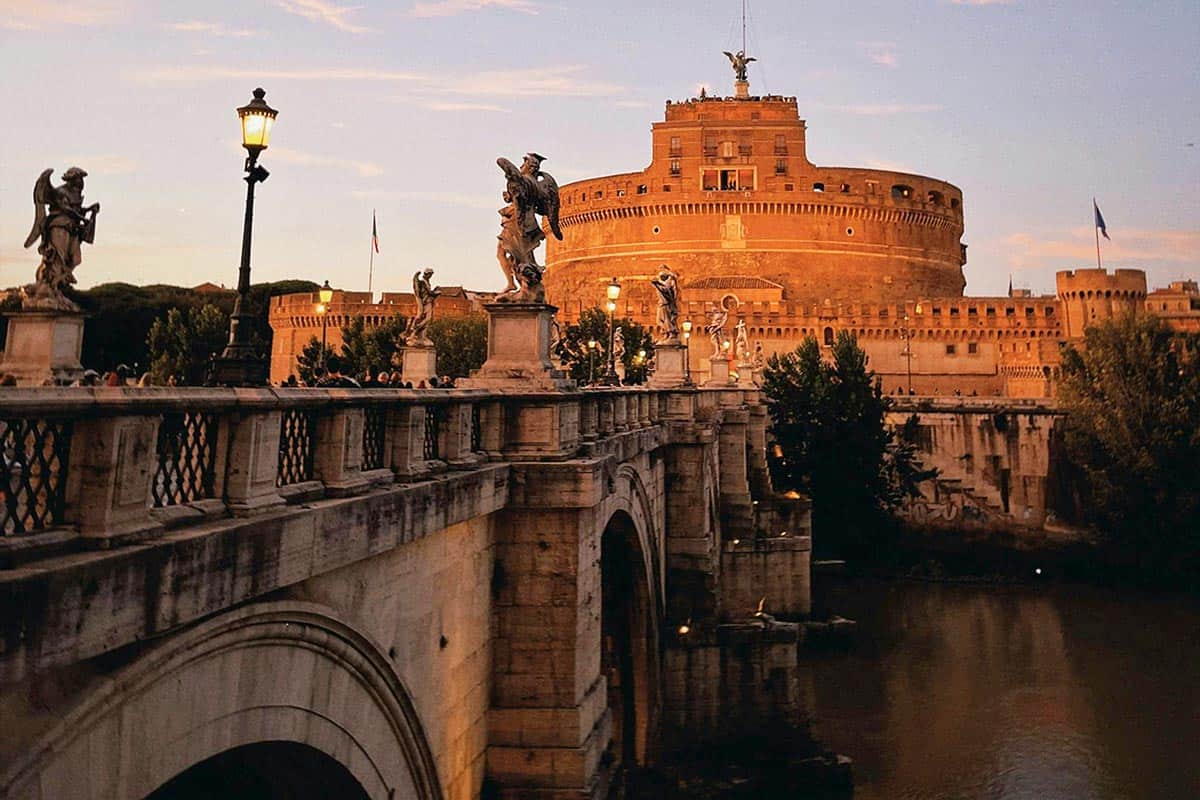

Looking for things to do in wheelchair accessible Rome? You’re in the right place!
Rome is one of the most iconic cities in the world, full of ancient ruins and Renaissance art. And while it may seem tricky for wheelchair users, it’s more accessible than you think.
From the Colosseum to Michelangelo’s ceiling in the Sistine Chapel, there are plenty of unforgettable things to do in Rome for disabled travelers — especially with a bit of planning.
In this guide, I share my top accessible attractions in Rome with limited mobility, complete with personal tips, accessibility info, and helpful links to make your trip smoother.
Let’s dive in… Rome is waiting for you!
Plan Your Trip with My Favorite Resources
🔹Book the best hotels: Booking.com
🔹Find great flight deals: Skyscanner
🔹Reserve a rental car: Discover Cars
🔹Purchase travel insurance: InsureMyTrip
🔹Book a day tour: Viator
🔹Easily stay connected: Airalo
➡️Check out all our Travel Resources here!
*This was originally written by my friend and accessible travel advocate, Kristin Secor. I’ve updated it with additional information and personal experiences from my time in Rome.

♿Is Rome Wheelchair Accessible?
Like many ancient cities, Rome comes with a few challenges — cobblestones, uneven terrain, and large crowds.
But just like planning a 3 day trip to Venice, it’s absolutely possible to enjoy Rome with limited mobility.
In fact, I was surprised by how many major attractions offer ramps, elevators, and free admission for disabled travelers!
Planning a trip to Northern Italy?
➡️Explore these towns with accessible travel tips
13 Things to Do in Rome with Limited Mobility
From ancient ruins to vibrant piazzas, here are my favorite things to do in Rome for wheelchair users or limited mobility.
I’ve included accessibility tips, attraction details and nearby transit info to make planning your trip easier!
1. Colosseum

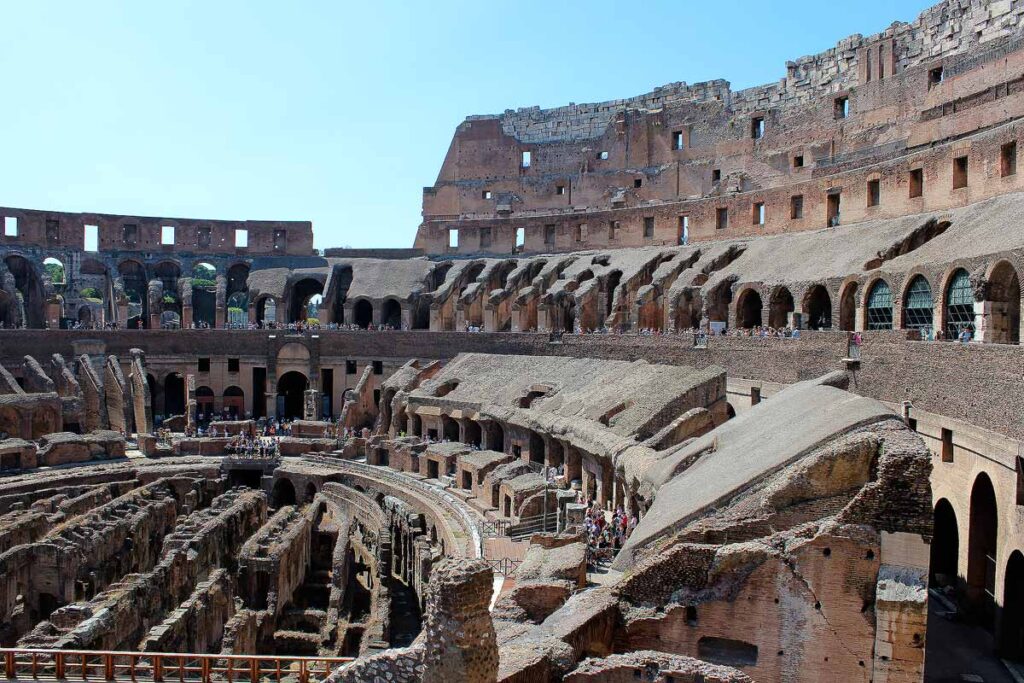
The Colosseum is Rome’s most iconic sight—and it absolutely lived up to the hype! Nothing compares to standing in the shadow of this world wonder.
We made this our first stop and arrived right when it opened, which gave us a rare chance to explore without the crowds.
I loved the audio guide because I could go at my own pace while learning the history behind the structure.
It’s easy to picture the gladiator battles and roaring crowds echoing through the stone. The sheer size blew us away!
Accessibility-wise, the Colosseum is surprisingly well adapted. There’s an elevator inside, and the main floors are flat and easy to navigate.
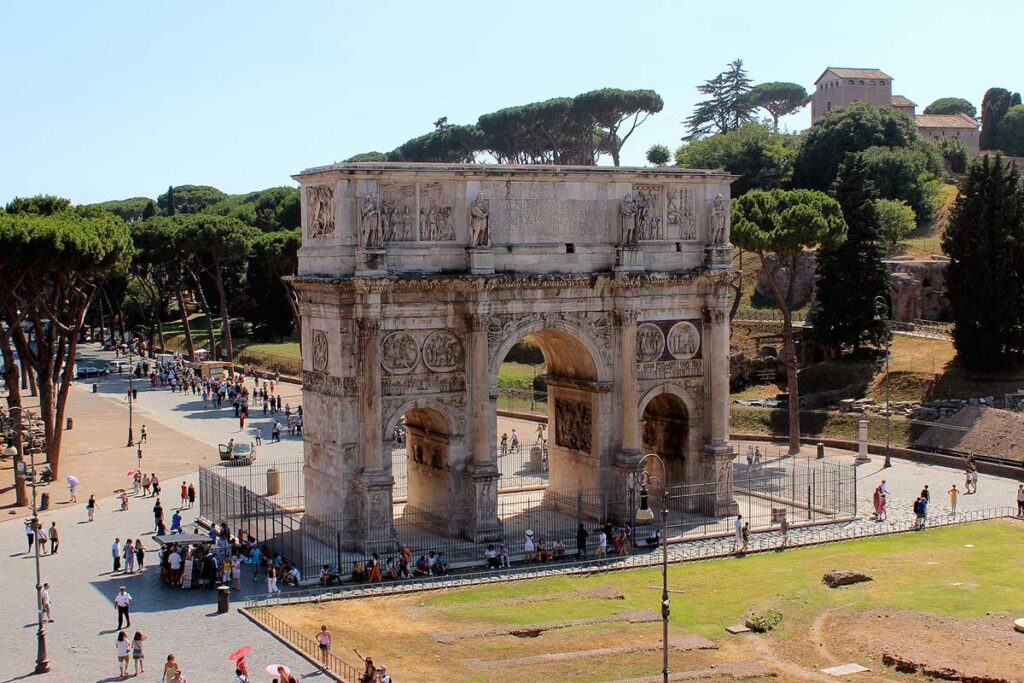
Don’t miss the upper level views of the Arch of Constantine and Roman Forum!
If you travel with fibromyalgia and are heat-sensitive like me, definitely bring a hat or umbrella.
✅HELPFUL TIP: Book an early time slot and bring your passport—you’ll need it for security.
📍Location: Piazza del Colosseo
⌛Time needed: 1.5–2 hours
⌚Hours: Daily, 9:00am–7:15pm (last entry 6:15pm)
💲Cost: €18 general admission
👉Best time to go: Early morning before 10am
🚇Nearest Metro: Colosseo (Line B – wheelchair accessible)
➡️Join this popular tour of the Colosseum & Roman Forum here!
♿Accessibility at the Colosseum
✔️Step-free entrance via main visitor entrance
✔️Elevators to upper floors
✔️Accessible restrooms on-site
✔️Free admission for visitors with disabilities + companion
➡️Book this Private Colosseum & Roman Forum Wheelchair Tour here!
2. Roman Forum
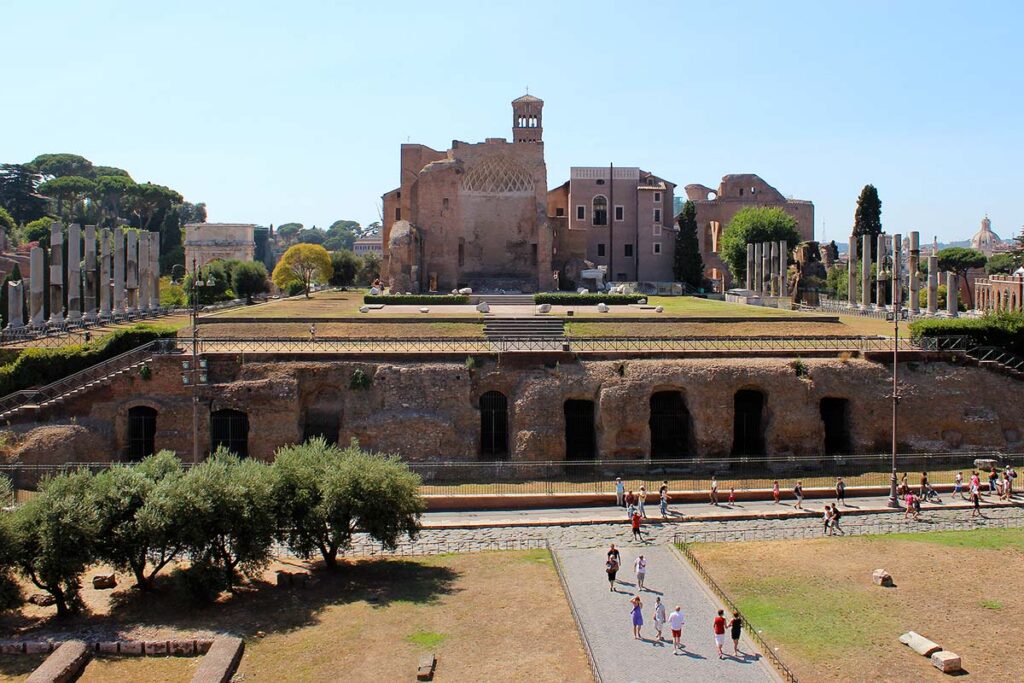
Just steps from the Colosseum, the Roman Forum was once the vibrant heart of ancient Rome. Today, you can roll through the ruins and imagine what daily life was like 2,000 years ago.
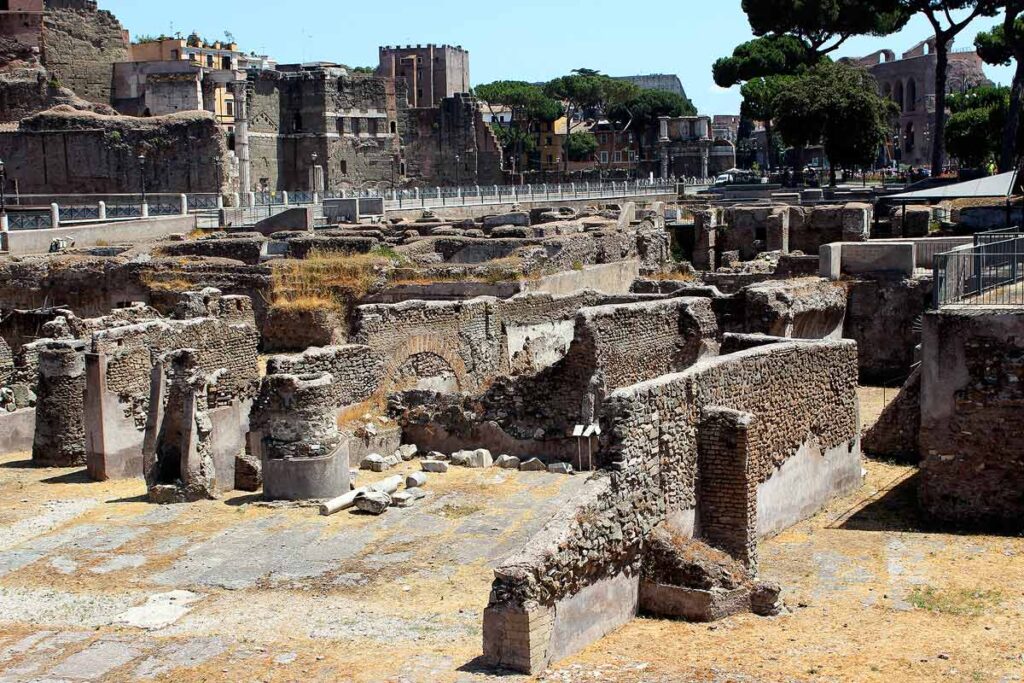
The site is partially accessible, but it’s important to note: the terrain is uneven, with ancient cobblestones and worn stone paths.
While some wheelchair users manage it independently, I highly recommend joining an accessible guided tour.
Some tours offer a Joëlette wheelchair (with a trained assistant), which makes navigating the site much easier and safer.
Highlights include the Arches of Titus and Septimius Severus, the grave of Julius Caesar, the Temple of Saturn, and the House of the Vestal Virgins. It truly feels like stepping back in time.
✅HELPFUL TIP: Wear good shoes if you’re walking, and a hat to protect you from the hot sun.
📍Location: Roman Forum
⌛Time needed: 1.5–2 hours
⌚Hours: Daily, 9:00am–7:15pm (last entry 6:15pm)
💲Cost: Included with Colosseum ticket
👉Best time to go: Morning or late afternoon for cooler temps
🚇Nearest Metro: Colosseo (Line B – wheelchair accessible)
➡️Book this private wheelchair accessible Colosseum & Roman Forum tour here!
♿Accessibility at the Roman Forum
This partially accessible, but the ancient surfaces can be challenging.
✔️Step-free entrance via Via dei Fori Imperiali
✔️Some paved paths, but large cobblestones in many areas
✔️Accessible restrooms near entrance
✔️Free entry for wheelchair users + companion
➡️Book your Colosseum & Forum with Audio Guide now!
3. St. Peter’s Basilica
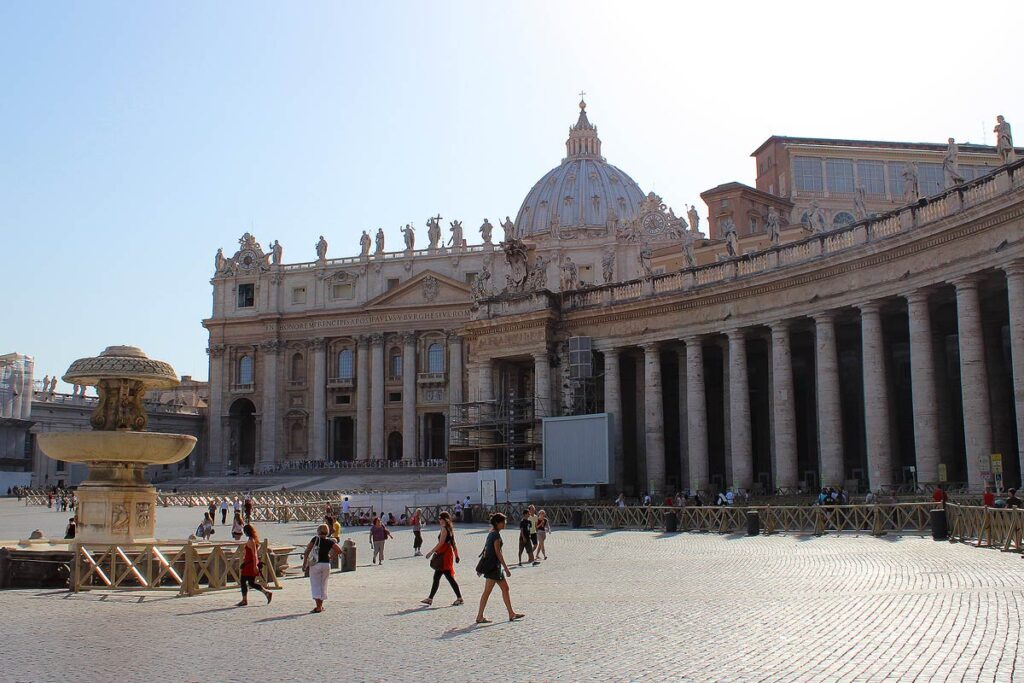
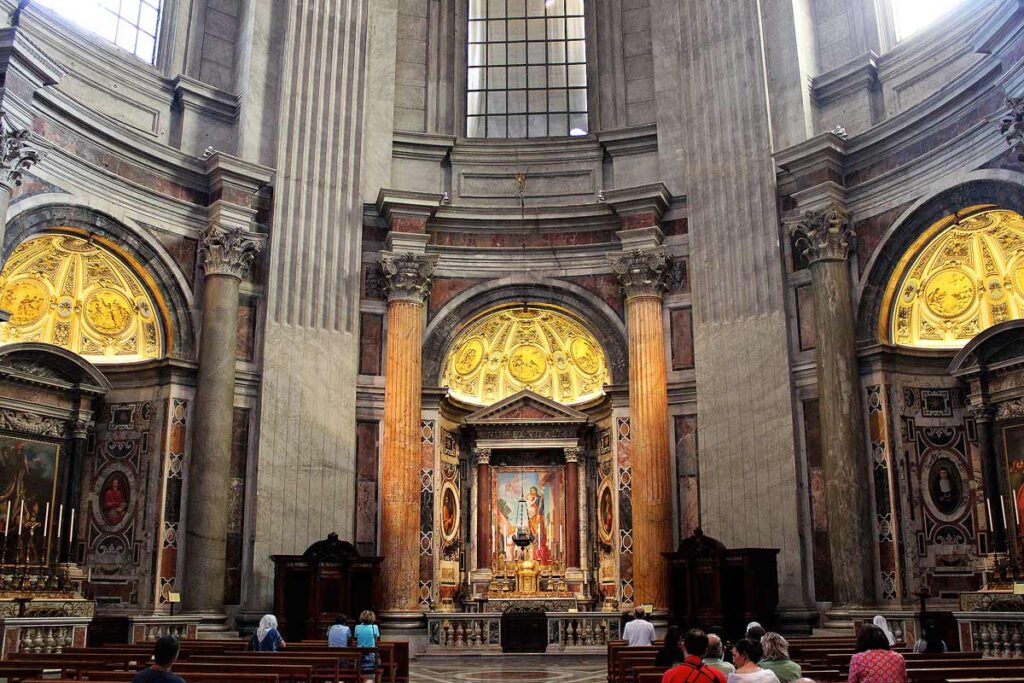
St. Peter’s Basilica sites at the heart of Vatican City, in its own country. It’s one of the most important religious sites in the world, and one of the most stunning buildings in all of Italy!
St. Peter’s Square is surrounded by grand colonnades, flowing fountains, Swiss Guards in colorful uniforms, and even its own post office. (👉Send a postcard for a unique Vatican postmark!)
Most cobblestones in the square are smooth and manageable with a wheelchair. The basilica is accessible via ramps near the metal detector and elevator near the gift shop.
Inside, you’ll find a step-free interior and smooth floors throughout — though the underground Scavi (excavations) are not accessible.
✅HELPFUL TIP: It’s easy to get overwhelmed, so rent the audio guide. It provides excellent info and clarifies what you’re seeing.
➡️Grab your reserved entrance ticket & audio guide here!
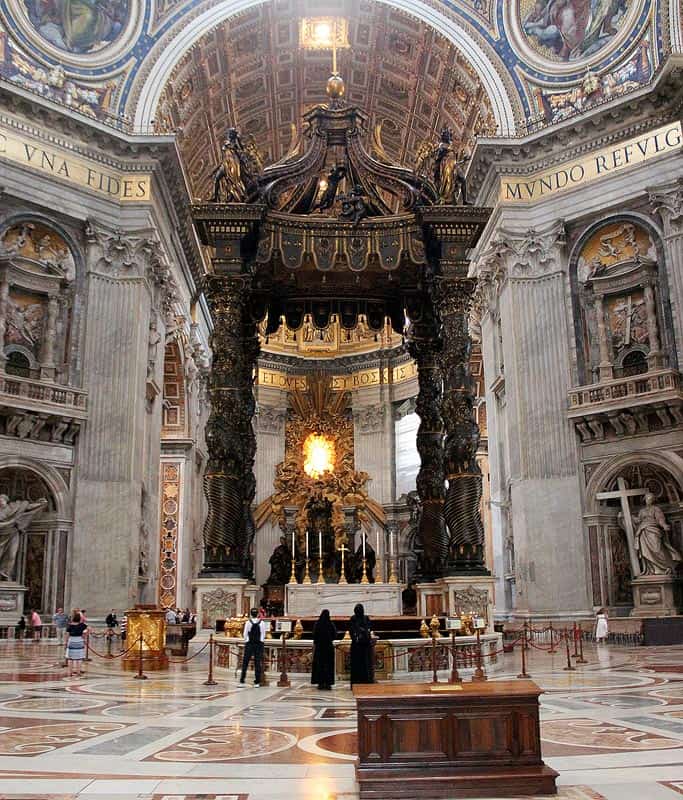
What to See in St. Peter’s Basilica?
The sheer size and opulence of St. Peter’s Basilica literally took our breath away. From vibrant mosaics on the walls to intricate patterns on the ceilings, it’s hard to know where to look first.
It remains one of our favorite memories of Rome — truly unforgettable.
👉Don’t Miss Items:
- Michelangelo’s La Pietà: delicate sculpture of Mary holding Jesus after the crucifixion is breathtaking, and looks as if it could come to life at any moment.
- Bronze Statue of St. Peter: many visitors rub his foot for blessings and good fortune.
- Ornate Main Altar: located beneath the grand dome, this is where the Pope leads Mass, and it’s a masterpiece in itself.
- Dome Views: If you’re up for it, take the elevator to the dome’s base for mosaic views and a rare perspective of the basilica’s interior.
✅HELPFUL TIP: If you’re Catholic or curious, you can request tickets to the Pope’s mass or Papal Audience from your local parish
📍Location: St. Peter’s Square
⌛Time needed: 1–1.5 hours
⌚Hours: Daily, 7am–6:30pm
💲Cost: Free entry (small fee for audio guide or dome access)
👉Best time to visit: Early morning before crowds
🚌Bus Stop: Piazza Risorgimento (multiple accessible lines)
🚇Nearest Metro: Colosseo (Line B – wheelchair accessible)
➡️This Vatican Museums & St Peters Basilica ticket sells out quickly… Book now!
♿Accessibility at St. Peter’s Basilica
✔️Ramp access near entrance security
✔️Elevator to church and dome base
✔️Smooth, flat interior with wide aisles
✔️Accessible restrooms available nearby
➡️Join this accessible tour of St. Peter’s Basilica here!
4. Vatican Museums and Sistine Chapel

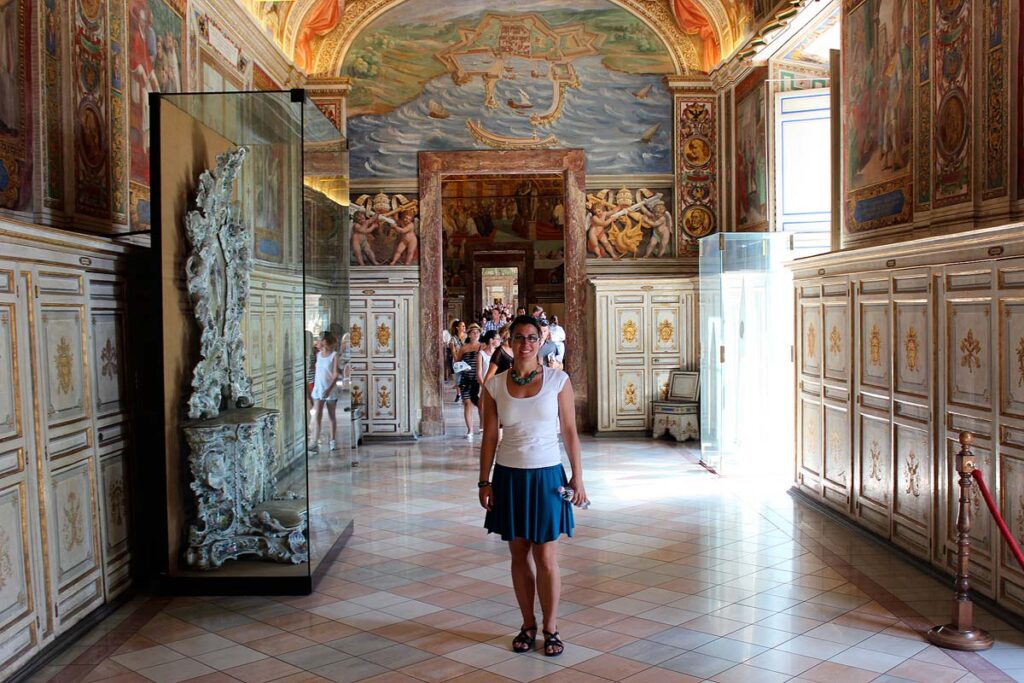
No trip to Rome is complete without visiting the Vatican Museums and the Sistine Chapel. Exploring this world famous site is my favorite things to do in Rome with limited mobility!
As serious art lovers, we were in paradise surrounded by Renaissance sculpture and painting masterpieces.
And of course, Michelangelo’s breathtaking ceiling in the Sistine Chapel left us speechless. I could’ve stared at it for hours. It truly is a moment that takes your breath away!
Don’t miss the Raphael Rooms, filled with massive, colorful frescoes that tell entire stories in a single scene. You could spend all day decoding the meanings and symbolism in each one.
✅HELPFUL TIP: The museums are massive and often crowded. If you use a wheelchair, consider joining an accessible tour, as the Vatican’s official group tours are not wheelchair-friendly.
📍Location: Vatican City
⌛Time needed: 2–3 hours
⌚Hours: Mon–Sat, 8:00am–6:00pm (last entry at 4:00pm)
💲Cost: €17 admission, free for disabled (75%+) + one companion
👉Best time to visit: Weekday mornings before 10am
🚇Nearest Metro: Ottaviano (Line A – accessible)
➡️This popular Skip-the-Line Vatican Tour sells out quickly… Book now!
♿Accessibility at the Vatican Museums
The Vatican Museums are mostly accessible, but here are some notes:
✔️Step-free entrance (ask security)
✔️Free entry for 75%+ disabled guests & one carer
✔️Manual wheelchairs available
✔️Lift access to Sistine Chapel
✔️Accessible restroom facilities
✔️Accessible itinerary map at entrance
✔️“Vatican Gardens Without Barriers” tour (email to book)
📧 Contact: accoglienza.musei@scv.va
➡️Join this 5 star Wheelchair Accessible Private Tour of the Vatican here!
5. The Pantheon
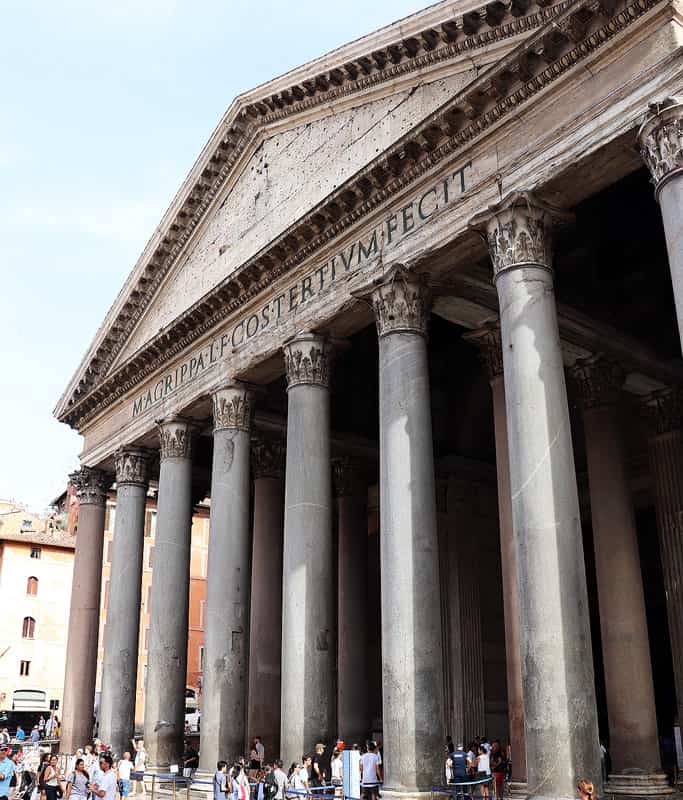
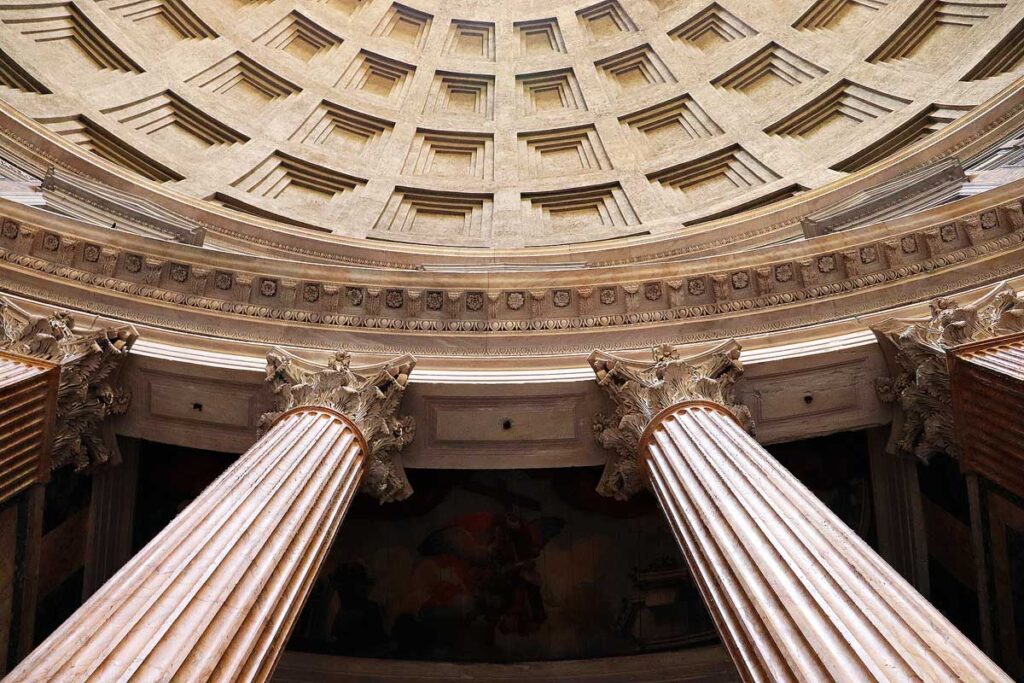
Not far from the Trevi Fountain is the Pantheon, one of the best-preserved ancient buildings in Rome.
It’s small and compact, perfect for slow travelers and those with disabilities.
Originally built in the 2nd century and later converted into a church, this architectural marvel has survived fires, and floods.
The Pantheon is also the final resting place of several famous Italians, including the painter, Raphael. While it can get crowded, much of what you’ll be admiring is high above, on the walls and ceiling.
What truly makes it unforgettable is the massive dome with a perfectly round oculus — an open hole in the center — that lets in light, air, and yes… even rain.
Standing beneath it and looking up is a magical moment you won’t forget!
✅HELPFUL TIP: Visit in the early morning for a quieter experience with dramatic light streaming through the oculus.
📍Location: Piazza della Rotonda
⌛Time needed: 30–60 minutes
⌚Hours: Mon–Sat 9am–7pm, Sun 9am–6pm
💲Cost: €5 general admission (free disabled visitors + companion)
👉Best time to go: Morning before 10am
🚇Nearest Metro: Rinascimento or Largo di Torre Argentina (lines 30, 70, 81)
➡️Book your Pantheon Fast-Track Tickets here!
♿Accessibility at the Pantheon
✔️Flat entrance with ramp
✔️Smooth interior flooring
✔️Step-free access throughout
✔️Spacious layout for wheelchairs
✔️Free admission for wheelchair users + companion
6. Trevi Fountain
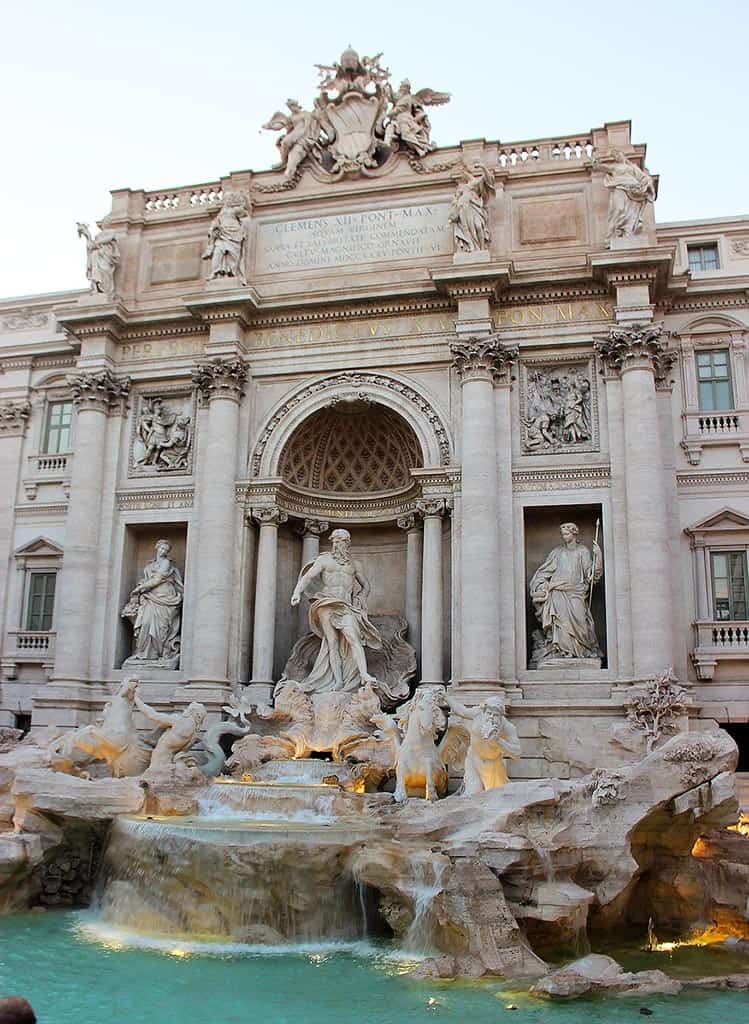
Another wheelchair accessible Rome landmark worth visiting is the popular (and very crowded) Trevi Fountain. And yes, it is worth the hype!
The fountain is massive, dramatic, and stunning!
While steps are required to reach the lower level, you can enjoy an excellent view from the top, especially during off-peak hours.
⛔Peak time is 12–5pm, when crowds are unbelievably huge.
Thankfully, the fountain is large enough to admire fully from above, so don’t worry if stairs aren’t an option. Just note that there are uneven cobblestones, so take your time.
No visit is complete without tossing a coin! According to legend:
- Toss one coin to return to Rome
- Toss two coins to fall in love
- Toss three coins to get married
On our first trip, Gavin and I each tossed in a coin. Well, we fell in love on that trip and have been back to Rome twice since. So… the legend must be true! 💙
✅HELPFUL TIP: Visit early morning or after sunset for fewer crowds and better photos especially if you have limited mobility. Pair it with the Pantheon or Piazza di Spagna for a perfect half day!
📍Location: Piazza di Trevi
⌛Time needed: 20–30 minutes
⌚Hours: Open 24/7
💲Cost: Free
👉Best time to go: Before 10am or after 8pm
🚇Nearest Metro: Barberini (Line A – elevator available)
♿Accessibility at the Trevi Fountain
✔️Top level step-free viewing area
✔️Cobblestones leading in, manageable with care
✔️Accessible nearby restrooms at McDonald’s Barberini or Rinascente Rome
✔️Benches available nearby
❌No access to the lower terrace
7. Piazza Navona
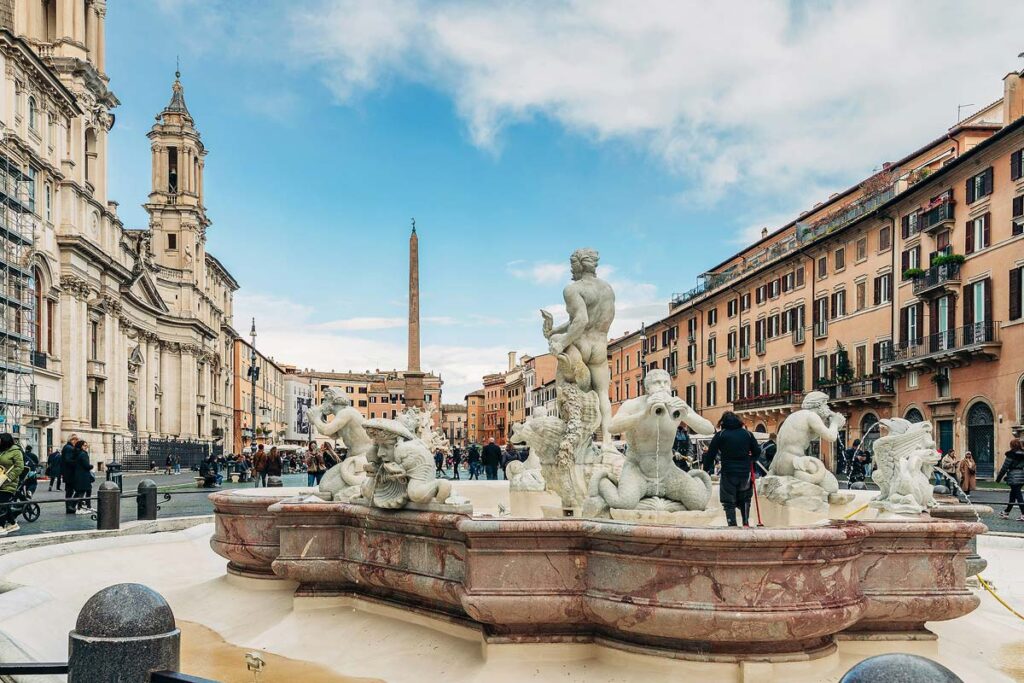
Piazza Navona is one of Rome’s most beautiful squares. It’s also fully pedestrian and flat, making it one of the easiest things to do in Rome for disabled travelers.
Built over the ruins of an ancient Roman stadium, today it’s a lively gathering place with street performers, artists, outdoor cafés, and fountains designed by legendary Lorenzo Bernini.
The centerpiece is the gorgeous Fountain of the Four Rivers, which represents four major rivers from around the world. You’ll also spot two smaller fountains at each end of the piazza.
Just like visiting St. Mark’s Square in Venice, this is a must-see for any visitor to Rome!
✅HELPFUL TIP: Grab a gelato or espresso and enjoy the people-watching. You’re in one of the best piazzas in Rome to just be.
📍Location: Piazza Navona
⌛Time needed: 30–60 minutes
⌚Hours: Open 24/7
💲Cost: Free
👉Best time to go: Early evening when it comes alive
🚌Nearest Bus Stop: Rinascimento (lines 30, 70, 81 – all accessible)
♿Accessibility at Piazza Navona
✔️Fully pedestrian & flat surface
✔️Smooth cobblestones (gentle, not jagged)
✔️Benches available for resting
✔️Surrounding cafés often have step-free seating outside
✔️Nearby accessible public restrooms (Campo de’ Fiori area)
8. Castel Sant Angelo
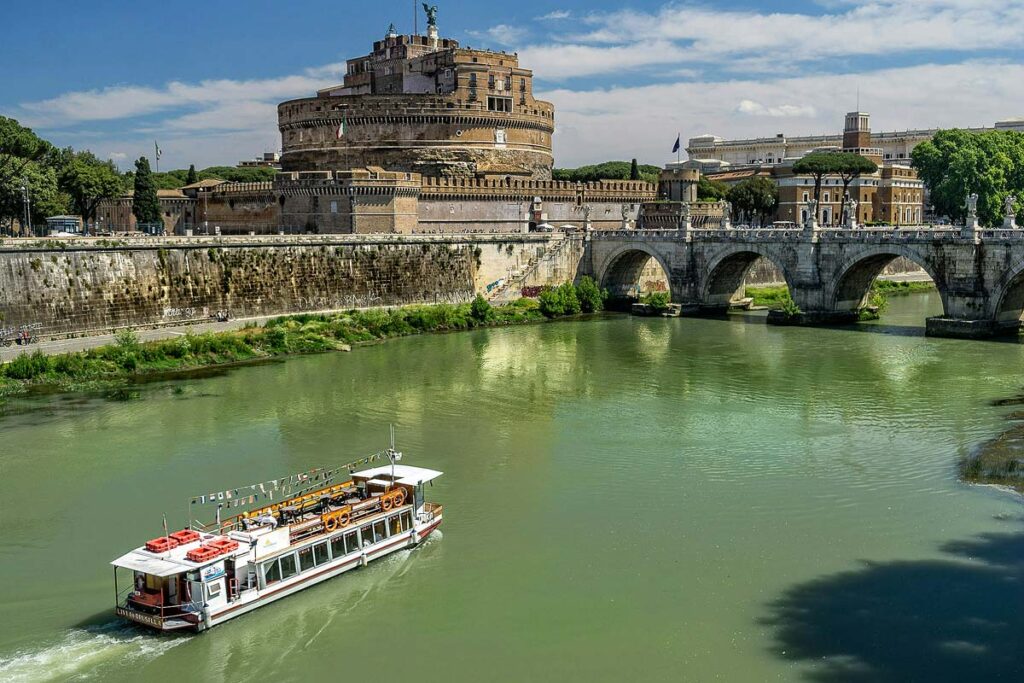
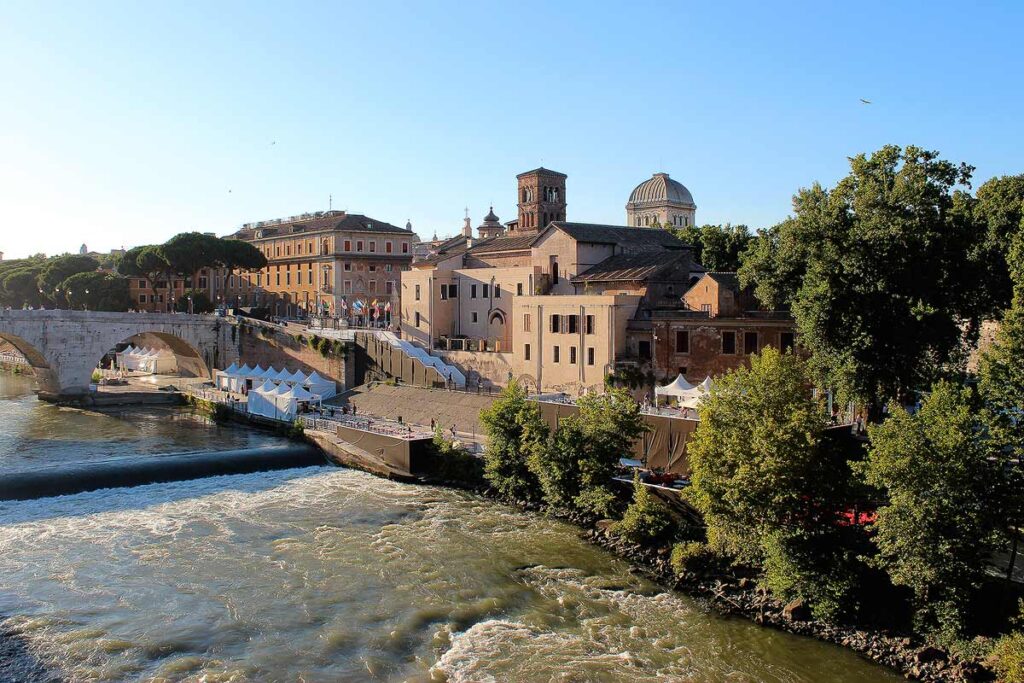
Built in 139 AD as Emperor Hadrian’s tomb, Castel Sant’Angelo has served as a fortress, papal residence, prison, and now a museum with incredible views over the Tiber River.
Inside, you’ll spot ancient tombs, Renaissance frescoes, and statues of Archangel Michael, said to have appeared here to end the plague in 590 AD.
The rooftop terrace offers one of the best panoramic views of Rome, including St. Peter’s Basilica and the nearby pedestrian Bridge of Angels, lined with Bernini’s stunning angel statues.
While the castle isn’t fully accessible on your own, guided tours with tracked wheelchairs now make most of it reachable for travelers with limited mobility.
✅HELPFUL TIP: Even if you skip the tour, the view from the bridge and photos from below are absolutely worth it.
📍Location: Castel Sant Angelo
⌛Time needed: 1.5–2 hours
⌚Hours: Daily, 9:00am–7:30pm (last entry 6:30pm)
💲Cost: €13 general admission
👉Best time to go: Late afternoon for golden-hour views
🚌Nearest Bus Stop: Piazza Pia (lines 23, 34, 62, 280)
🚇Nearest Metro: Lepanto or Ottaviano (Line A – elevators)
➡️Join this 5 star Skip-the-Line Castel Sant Angelo Tour here!
♿Accessibility at Castel Sant Angelo
The main museum is not fully wheelchair accessible on your own, but specialized tours make it possible.
✔️Tracked wheelchair tours available through AccessTravels
✔️Elevators and ramps used during guided tours
✔️Accessible restrooms on-site
✔️Fully accessible bridge and surrounding area
➡️Book this 4 hour wheelchair accessible tour here!
9. Spanish Steps
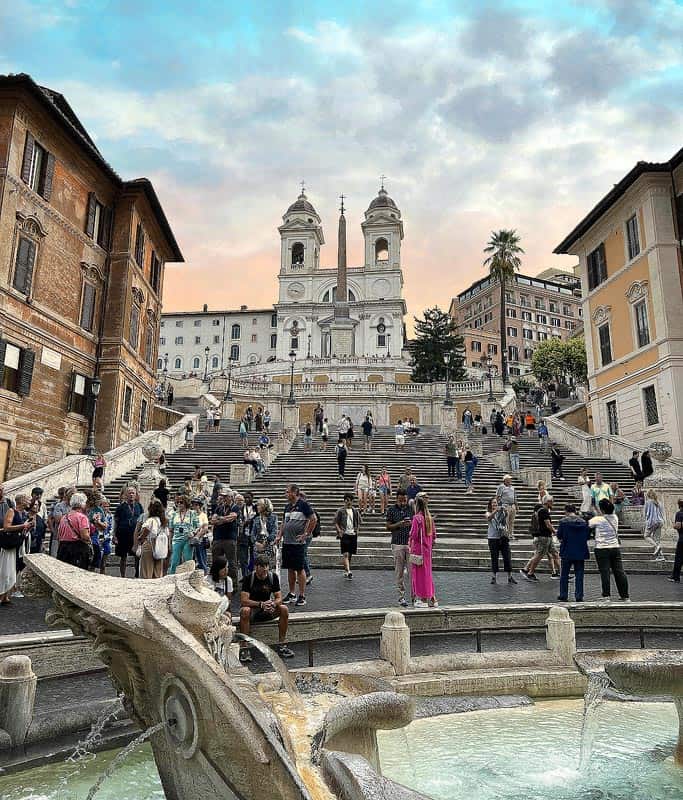
Before you think I’m crazy for mentioning steps in a list of accessible things to do in Rome, hear me out.
Yes, the Spanish Steps are technically not wheelchair accessible, but you don’t need to climb them to enjoy the beauty and energy of the place! 😉
This iconic staircase of 135 steps connects Piazza di Spagna below to Trinità dei Monti Church above, and it’s one of the most popular gathering places in Rome.
The area around the base of the steps is flat and paved, making it easy to roll up, and people-watch. There’s also a charming fountain, the Fontana della Barcaccia, designed by Bernini’s father.
Even if you skip the climb, it’s a fantastic place for shopping, or people watching with some tasty gelato!
✅HELPFUL TIP: Access the top of the steps through Villa Borghese Park, where an elevator at Viale della Trinità dei Monti brings you near the church.
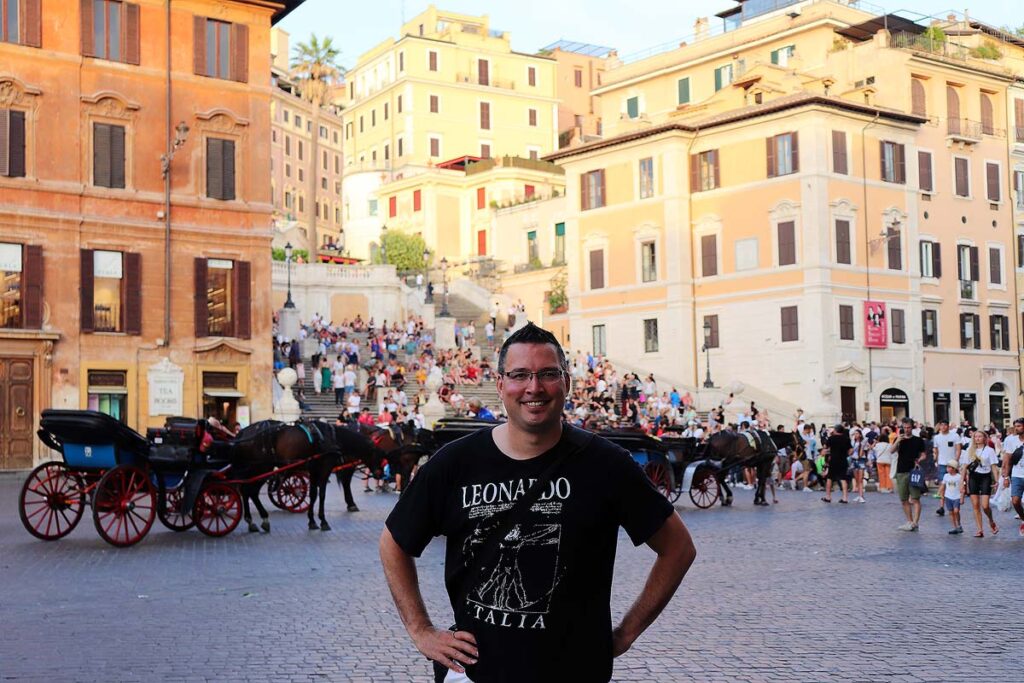
📍Location: Spanish Steps
⌛Time needed: 20–30 minutes
⌚Hours: Open 24/7
💲Cost: Free
👉Best time to go: Early morning or golden hour
🚇Nearest Metro: Spagna (Line A – accessible via elevator)
➡️Join this popular Evening Tour of the Trevi Fountain & the Spanish Steps now!
♿Accessibility at the Spanish Steps
✔️Flat, paved access at the base in Piazza di Spagna
✔️Accessible fountain & people-watching area
✔️Shaded benches nearby
✔️Shops and cafés in surrounding flat streets
✔️Elevator access to top via Villa Borghese path
❌No step-free access to climb the staircase itself
10. Villa Borghese Galleria and Gardens
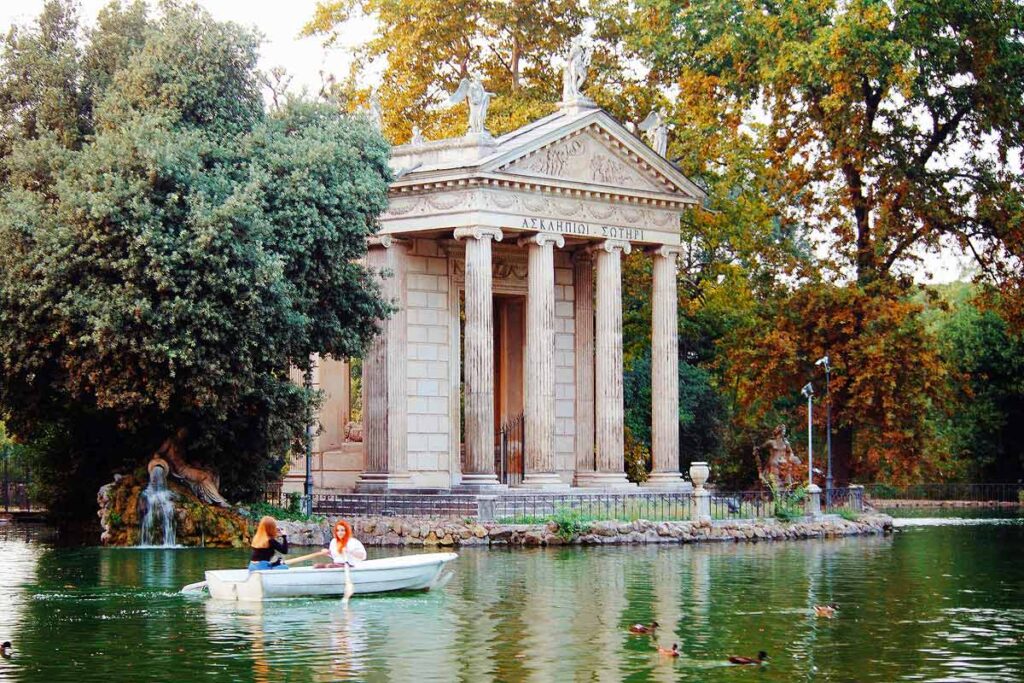
If you love art, nature, or just a peaceful break from Rome’s busy streets, then the Villa Borghese Gallery and Gardens is a must!
This elegant villa houses a world-class collection of sculptures and paintings, including masterpieces by Bernini, Caravaggio, and Canova.
After taking in the art, head outside to the beautifully landscaped Villa Borghese Gardens. They’re mostly flat, with wide pathways perfect for relaxing beneath the trees.
Both the gallery and gardens are accessible to wheelchair users, although you may be asked to transfer to a museum-provided wheelchair due to space and elevator size.
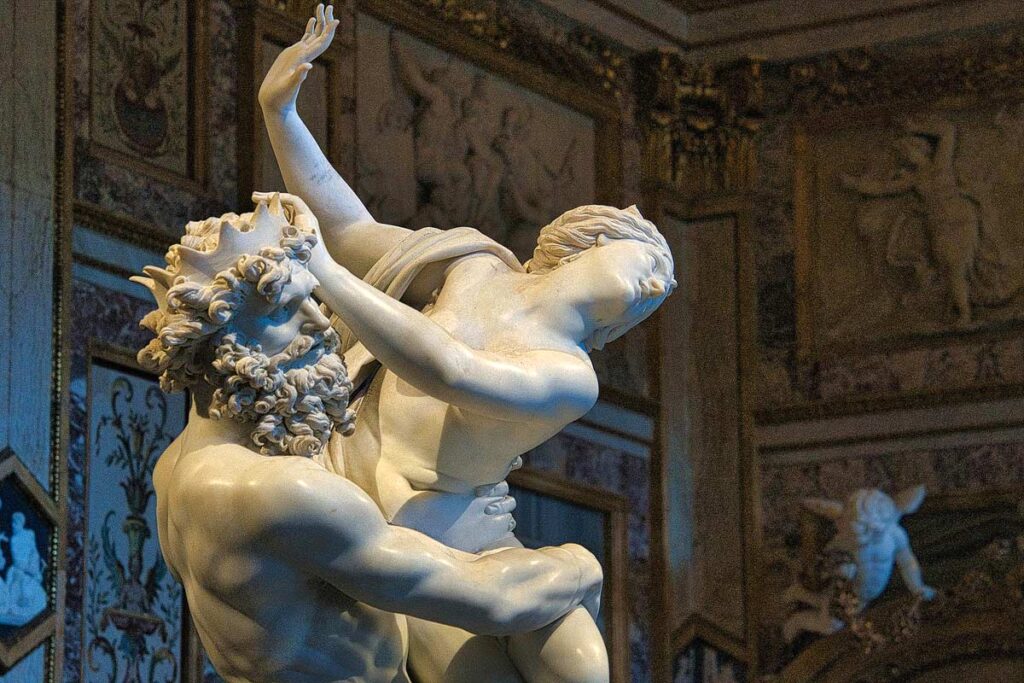
📍Location: Villa Borghese Park
⌛Time needed: 1.5–2 hours
⌚Hours: Tues–Sun, 9am–7pm (last entry at 5pm)
💲Cost: €15 general admission
👉Best time to go: Mid-morning or late afternoon
🚇Nearest Metro: Spagna or Flaminio (Line A – elevators)
🚌Bus Stop: Pinciana/Museo Borghese (lines 61, 89, 160, 910 – accessible)
➡️Book your Villa Borghese Museum Skip-the-Line Guided Tour here!
♿Accessibility at the Villa Borghese
✔️Free for wheelchair users + 1 companion
✔️Step-free entrance via side ramp
✔️Small elevator to upper floors
✔️Accessible restroom available
✔️Wheelchair provided by museum (may require transfer)
📧 Contact ahead for arrangements: ga-bor.accessibilita@beniculturali.it
11. Explore Trastevere
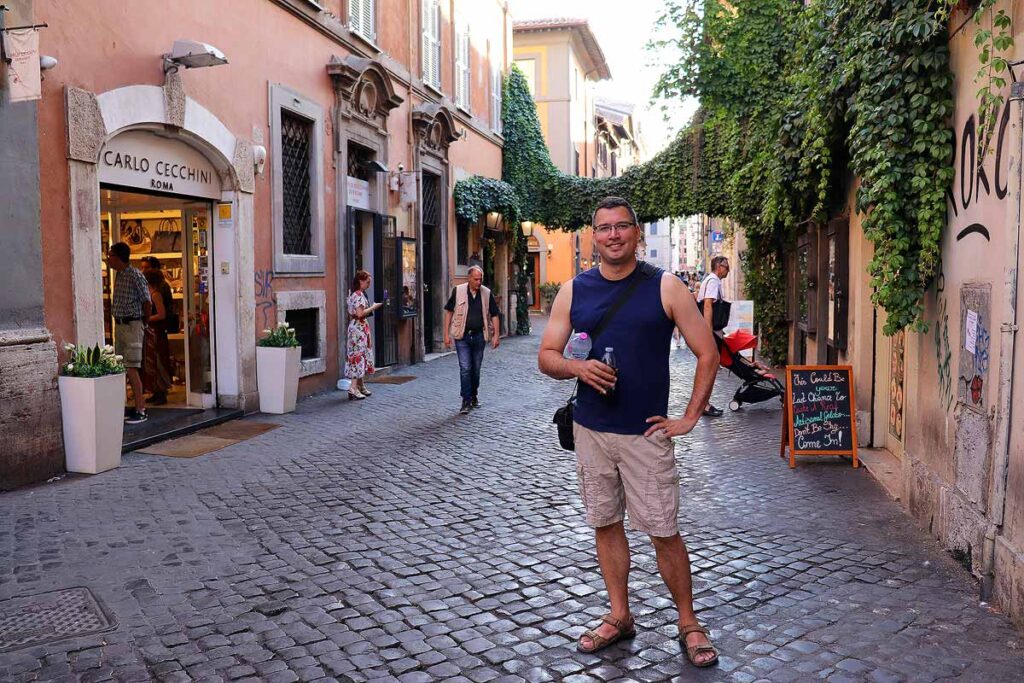
If you’re not planning to visit the cute towns in Puglia, then head to Trastevere, one of Rome’s most charming neighborhoods.
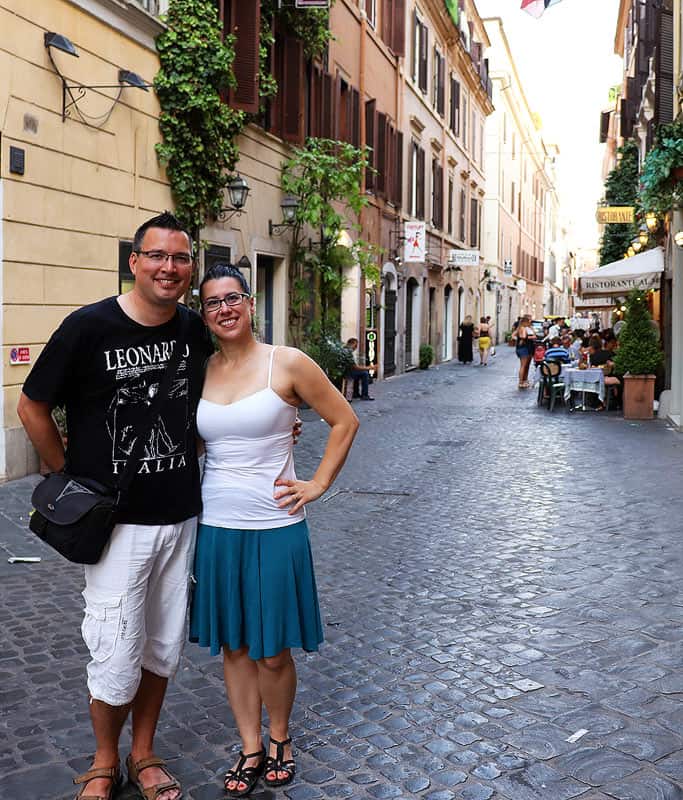
With its colorful buildings, ivy-covered walls, and lively piazzas, it’s perfect for slow travelers craving a more local side of Rome.
The cobblestones here are generally worn and flat, making it fairly manageable with a wheelchair or mobility aid. You’ll also find step-free cafés, shady corners to rest, and shops and churches with level entries.
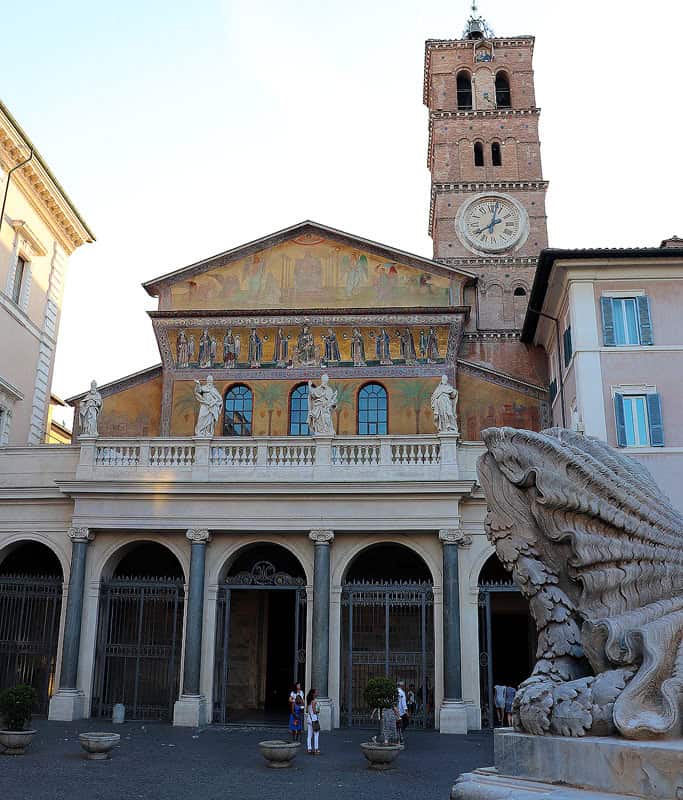
We loved Piazza di Santa Maria, a buzzing square with a pretty fountain and one of Rome’s oldest churches Santa Maria Basilica, which is wheelchair accessible.
From there, grab gelato and enjoy the laid-back vibe. Or join a food tour and discover what makes Trastevere so special!
➡️Join this award-winning Food Tour of Campo de’ Fiori & Trastevere!
✅HELPFUL TIP: This is a great area to explore slowly — bring your camera and enjoy the local charm!
📍Location: Trastevere
⌛Time needed: 1–2 hours, or longer for dinner
⌚Hours: Open 24/7
💲Cost: Free
👉Best time to go: Late afternoon into the evening
🚌Bus Stop: Piazza Sonnino (lines H, 23, 280 – accessible)
🚇*No direct metro — take a bus or accessible taxi from Trastevere Station or Piazza Venezia
♿Accessibility at Trastevere
✔️Flat or gently sloped cobblestones
✔️Step-free cafés with outdoor seating
✔️Accessible entry to Basilica of Santa Maria
✔️Benches in main piazza for resting
❌Narrow side streets and older sidewalks may be tricky
➡️Join this 5 star accessible Jewish Ghetto and Trastevere Tour here!
12. Shopping in Rome
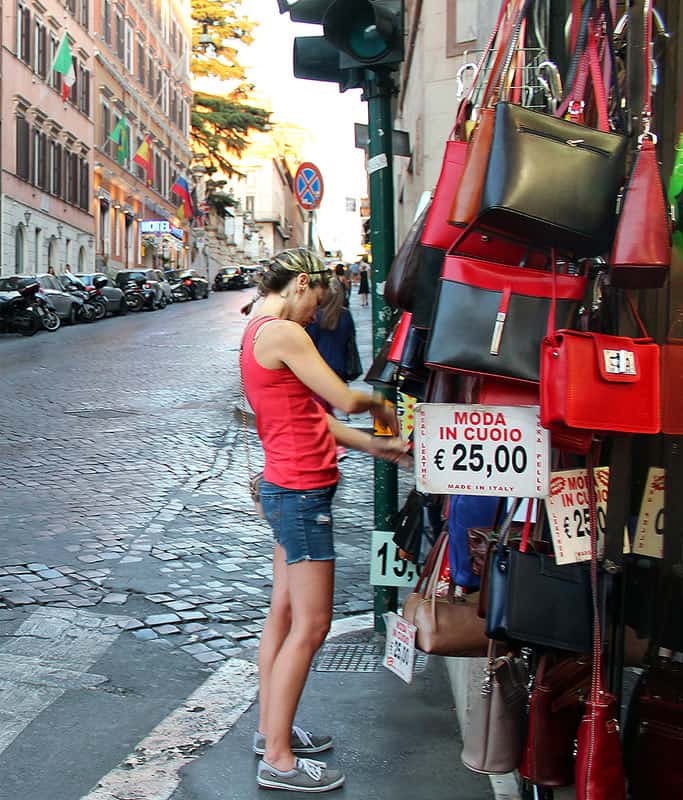
Rome isn’t just about ruins and churches — it’s also a fantastic city for shopping, from luxury brands to handmade souvenirs.
Many of the city’s best shopping streets and districts are flat and wheelchair accessible.
You’ll find a mix of high-end boutiques, local artisan shops, and international brands — whether you’re after leather goods, Italian fashion, hand-painted ceramics, or gourmet food gifts.
Most Accessible Places to Shop in Rome:
➡️Via del Corso: A wide, mostly flat pedestrian-friendly shopping street lined with international brands
➡️Via dei Giubbonari (near Campo de’ Fiori): Smaller, local shops with handmade bags, scarves, and gifts.
➡️Galleria Alberto Sordi: An elegant, indoor shopping arcade with step-free access and smooth floors.
➡️Rinascente Roma Tritone: Department store with elevators, accessible restrooms, and a rooftop café.
✅HELPFUL TIP: Many small shops have narrow doors or a step, but staff are often happy to assist. For souvenirs, look for handmade products or gourmet items like olive oil or limoncello.
13. Day Trip to Pompeii & Amalfi Coast

If your Rome itinerary doesn’t include a day trip to Naples but you still want to see Pompeii and the Amalfi Coast, a guided tour might be the perfect solution!
Several tour companies offer full-day trips from Rome with expert guides.
There are wheelchair accessible tours that offer round-trip transport in an accessible van and assistance navigating the terrain.
While Pompeii can be tricky due to uneven terrain, there’s a dedicated accessible route through the ruins. You’ll be able to see major highlights, like ancient frescoes and villas, without covering the entire site.
Visiting with a guide makes a huge difference. Some tours even offer all-terrain wheelchairs or additional support if needed.
✅HELPFUL TIP: When planning a trip, book early and confirm accessibility details as every company offers a different experience.
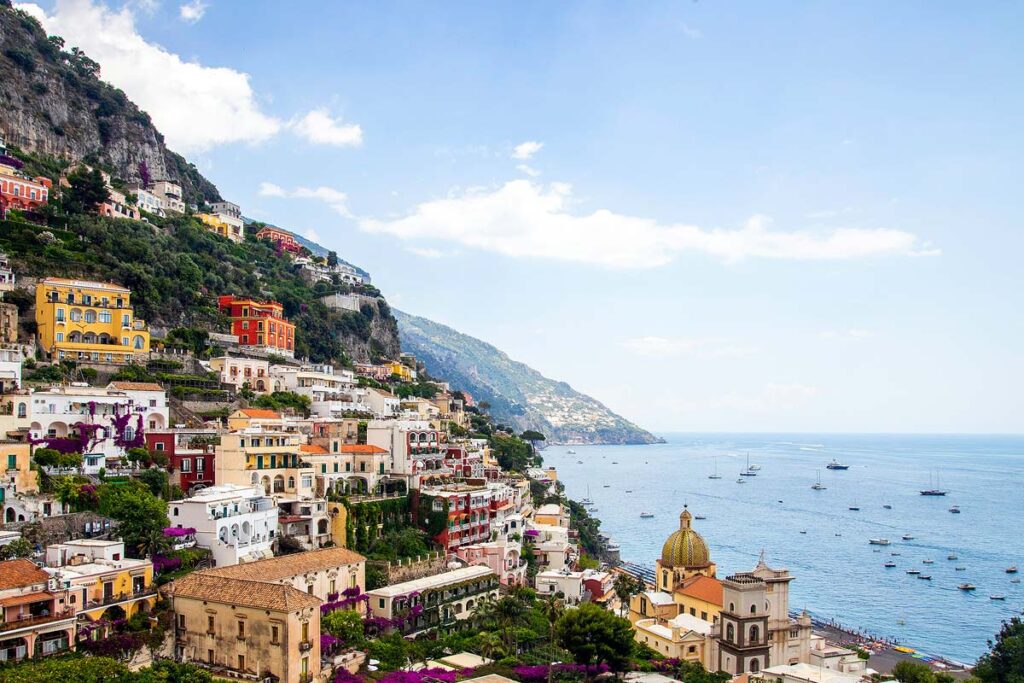
The scenic drive along the Amalfi Coast is a bonus, often including panoramic stops or a stroll through towns like Amalfi or Ravello, depending on the tour.
📍Location: Pompeii
⌛Time needed: Full-day tour (14 hours)
⌚Hours: Varies by tour company
💲Cost: Tour prices range €250–€400 per person
👉Best time to go: Spring or fall for mild weather
🚗Pickup: Most tours include hotel pickup in Rome
➡️Book your Pompeii & Amalfi Coast Day Trip from Rome here!
♿Accessibility at Pompeii
✔️Accessible entrance with marked path
✔️Some tours provide all-terrain or adaptive wheelchairs
✔️Tour companies offer step-free transportation
✔️Optional stops along the coast can be adapted based on mobility
❌Not all of Pompeii is accessible
➡️Join this Wheelchair Accessible Private Tour of Pompeii now!
Wheelchair Accessible Tours in Rome
If you’re short on time, worried about cobblestones, or just want a stress-free way to see the sights, accessible guided tours can be a fantastic option.
These companies specialize in wheelchair-friendly experiences and can handle everything from pickup to special equipment.
Disabled Accessible Travel
This company offers accessible guided tours and shore excursions throughout Europe, including Rome and Venice. They also provide an emergency assistance number, which is a great peace-of-mind option while you travel.
👉https://disabledaccessibletravel.com/
Rome and Italy Accessible Travel
A top choice for accessible travel in Italy, they offer a wide range of tours, including options with tracked wheelchairs or Joëlette-style assistance to navigate tougher terrain like the Roman Forum or Castel Sant’Angelo.
👉https://www.romeanditaly.com/accessible/
✅HELPFUL TIP: Book early, especially in high season, and don’t hesitate to email them with questions… both companies are used to customizing for different mobility needs.
Tips for Visiting Rome with Limited Mobility
Here are a few things to keep in mind when planning your trip to Rome — including when to visit, how to get there, and what to expect with accessibility if you’re arriving by cruise.
When to Visit Rome
The best times to visit Rome are in the shoulder seasons of May, June, September, and October. The weather is warm but manageable, and the crowds are far less intense than summer.
Spring (March – May)
Great for sightseeing. Spring weather is pleasant, mild and sunny, with highs in the 60s–70s. Average rainfall is 7 or 8 days per month.
Summer (June – August)
I’m not going lie… summer is hot! Expect 80s+ with hordes of tourists, higher prices, longer lines and little shade.
✅HELPFUL TIP: August is when many local businesses close for vacation.
Fall (September – November)
Temperatures begin to cool but are still warm (60s–80s), and little rain (9 days per month). However, the crowds begin to thin… yay!
Winter (December – February)
Temperatures are cooler and mild (50s). There are fewer tourists, but some attractions have reduced hours.
How to Get to Rome
Most visitors arrive through Fiumicino (FCO) – Leonardo da Vinci International Airport, which offers wheelchair assistance and accessible transportation into the city.
You can also take a train from several places in Europe and other parts of Italy.
So if you’re planning a 2-week Puglia trip after visiting Rome, just hop on a train. And if you want to add Malta to your itinerary, head to the airport for a direct flight.
Visiting Rome by Cruise
Yes, you can visit Rome during a Mediterranean cruise — but be aware that the cruise port (Civitavecchia) is about an hour away from the city.
Similar to a day trip to Venice, you’ll have limited time, so plan carefully. Maybe consider an accessible shore excursion to make the most of your stop.
Cruising is a good option if you want accessible lodging, dining, and connections to other cities like Florence, Naples, or Venice.
✅HELPFUL TIP: Use one of the accessible tour providers mentioned earlier to book a reliable shore excursion in advance.
Where to Stay in Rome as a Wheelchair User
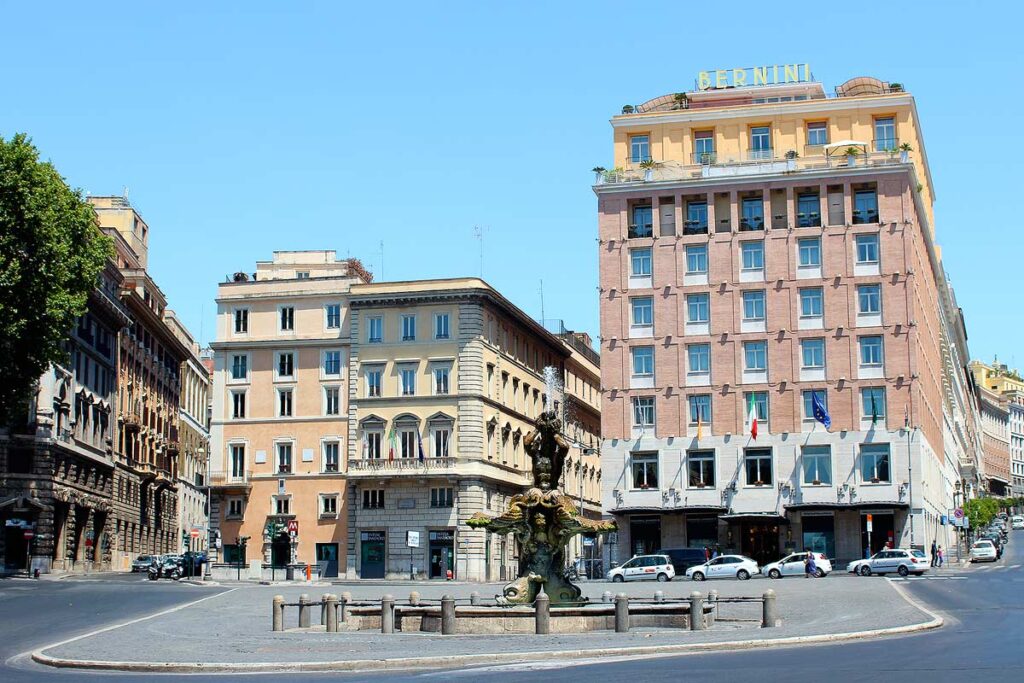
To make getting around Rome easier, it’s best to stay centrally located, near areas like Campo de’ Fiori, Piazza Navona, or the Vatican.
Choosing a hotel with confirmed accessibility features will make your stay smoother and more comfortable. Here are two great options:
📍♿Accessible: Hotel Indigo Rome – St. George, an IHG Hotel
Steps from Piazza Navona, this boutique-style hotel is centrally located and features a queen room with a roll-in shower and onsite restaurant.
➡️Book your stay at Hotel Indigo Rome now!
📍♿Accessible: Aleph Rome Hotel, Curio Collection by Hilton
A chic 5-star hotel near the Spanish Steps with daily breakfast and parking, includes a folding grab bar and roll-in shower but no shower bench.
➡️Book your stay at Aleph Rome Hotel, Curio Collection by Hilton now!
5 Wheelchair Accessible Travel Tips for Rome, Italy
Whether it’s your first time or your fifth, here are a few tips to make your wheelchair accessible Rome trip smoother and more enjoyable.
Prebook Skip the Line Tickets
Rome’s top attractions often have long wait times and queuing isn’t always ideal with limited mobility.
Book tickets online in advance and look for skip-the-line options. Many sites also offer free or discounted entry for disabled travelers and a companion.
Rent Mobility Equipment
If you don’t regularly use a mobility aid but fatigue is a concern, consider renting a wheelchair or mobility scooter. It can make a big difference on longer sightseeing days or when navigating cobblestones and hills.
Use ATMs for Best Exchange Rate
Skip the exchange booths… you’ll usually get a better rate using your debit card at ATMs. Just check with your bank about international fees, and bring a backup card, just in case.
Dress Modestly for Churches
Many churches and basilicas, including St. Peter’s Basilica, have a dress code. Be sure to cover shoulders and knees. A lightweight scarf or longer shorts/skirt will do the trick.
Expect Later Dinner Times
In Italy, dinner tends to start later… most restaurants don’t open until 7:00 pm or later. Be ready to adjust your dining schedule and enjoy a relaxed, local pace. When in Rome… eat like a Roman!
Final Thoughts: Wheelchair Accessible Rome, Italy
As you can see, many of Rome’s most iconic attractions are accessible, making it a fantastic destination for travelers with limited mobility.
With a bit of planning, you can roll through ancient ruins, admire world-class art, and soak up the magic of Rome at your own pace.
I hope this guide helps you plan with confidence and excitement. Rome truly stays with you — and you can experience it fully, no matter your mobility needs.
Buon viaggio… that’s “have a great trip” in Italian!

Read More on Italy
How to Spend 2 Weeks in Puglia in 2026: A Complete 14-Day Itinerary
7 Beautiful Towns in Puglia You Need to Visit
How to Rent a Car in Puglia in 2026
13 Things to Do in Venice, Italy (All Wheelchair Accessible!)
How to Spend One Day in Naples, Italy (+ Accessible Things to Do)
